


Don't Weight for a Heart Attack: How to Lower Your CAD Risk with Diet
Updated: Jan 4, 2023
WELCOME
Thank you for joining me on this journey. My name is Jason Youngs and on December 9, 2022 I found out I have Coronary Artery Disease. I decided to document my journey to recovery on TikTok. It adds accountability for me, as well as an opportunity to educate others, while I educate myself. I use words and concepts that are easily understood. I am not a doctor and this is for educational use only. Thank you for joining me and sharing in my journey.
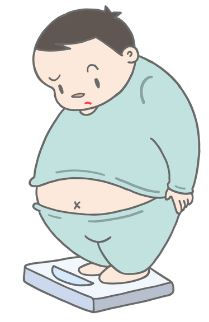
THIS IS WHAT I'VE DISCOVERED ABOUT HOW OBESITY
HURTS THE CORONARY ARTERIES
Obesity is a major risk factor for coronary artery disease (CAD), a serious condition that affects the blood vessels of the heart and is a leading cause of death worldwide. According to the World Health Organization, obesity is defined as having a body mass index (BMI) of 30 or higher. BMI is a measure of body fat based on height and weight.
Being obese places a significant strain on the coronary arteries, the blood vessels that supply oxygen-rich blood to the heart muscle. Excess weight, particularly abdominal obesity, can lead to the development of risk factors such as high blood pressure, high cholesterol, and diabetes, all of which contribute to the development of CAD.
The impact of obesity on CAD risk is significant. A study published in the Journal of the American College of Cardiology found that obese individuals were twice as likely to develop CAD compared to those with a healthy weight. Another study published in the New England Journal of Medicine found that even modest weight loss of 5-10% of body weight was associated with a significant reduction in CAD risk.
It's clear that maintaining a healthy weight is crucial for reducing the risk of CAD. But how can we achieve and maintain a healthy weight? One of the most effective ways is through a heart-healthy diet. I typically record what I eat in this "Beautiful People" Heart Health Journal from Amazon. It's my, "Go To!"

A Heart-Healthy Diet is rich in a variety of nutrients that support heart health, including:
Fruits and vegetables: These foods are high in fiber, vitamins, and minerals and are low in calories. Aim for at least 5 servings of fruits and vegetables per day.
Whole grains: Choose whole grain bread, pasta, and cereals instead of refined grains. Whole grains are high in fiber and have been linked to a lower risk of CAD.
Lean proteins: Choose lean sources of protein such as chicken, fish, tofu, and beans. These foods are lower in saturated fat and cholesterol, which can help to reduce the risk of CAD.
Healthy fats: Include sources of healthy fats such as nuts, seeds, and avocados in your diet. These foods are high in monounsaturated and polyunsaturated fats, which have been shown to have a protective effect against CAD.
Low-fat dairy: Choose low-fat or fat-free milk, yogurt, and cheese to get the calcium and other nutrients you need without the added saturated fat.
Plant-based foods: Incorporating plant-based foods such as beans, lentils, and nuts into your diet can help to lower your risk of CAD.
CONCLUSION
Maintaining a healthy weight is crucial for reducing the risk of CAD. A heart-healthy diet, rich in fruits, vegetables, whole grains, lean proteins, healthy fats, low-fat dairy, and plant-based foods, can help you achieve and maintain a healthy weight and support overall heart health. By making these dietary changes, we can take control of our health and reduce our risk of this serious and life-threatening condition.
Author: Jason Youngs, TikTok Educator
Email: MrJasonYoungs@gmail.com


Comments