


Get More Z's for a Healthier Heart: The Role of Sleep in Coronary Artery Disease
Updated: Jan 6, 2023
Thank you for joining me on this journey. My name is Jason Youngs and on December 9, 2022 I found out I have Coronary Artery Disease. I decided to document my journey to recovery on TikTok. It adds accountability for me, as well as an opportunity to educate others, while I educate myself. I use words and concepts that are easily understood. I am not a doctor and this is for educational use only. Thank you for joining me and sharing my journey.

What’s the Tea?
Coronary artery disease is a common type of heart disease that occurs when the arteries that supply blood to the heart become narrowed or blocked. This can lead to chest pain, heart attacks, and even death. It is a serious condition that affects millions of people around the world.
There are several risk factors for coronary artery disease, some of which can be modified and others that cannot. Modifiable risk factors are those that you can change or control, such as high blood pressure, high cholesterol, diabetes, smoking, and obesity. These are all things that you can take steps to improve in order to reduce your risk of developing coronary artery disease.
How important is sleep on my heart health?
Well, according to the New England Journal of Medicine, one risk factor for coronary artery disease that is often overlooked is the amount of sleep that you get. Studies have shown that not getting enough sleep can increase your risk of developing heart disease, including coronary artery disease. But how does not getting enough sleep affect the coronary arteries?
Why does lack of sleep hurt my heart?
When you don't get enough sleep, your body goes into a state of stress. Your heart rate and blood pressure increase, and your body releases stress hormones such as adrenaline and cortisol. These hormones can cause inflammation in the body, which can damage the coronary arteries and lead to the development of plaque. Plaque is a sticky substance that can build up in the arteries and block the flow of blood to the heart.
A study published in the Journal of the American Medical Association found that not getting enough sleep can also lead to other health problems that increase your risk of coronary artery disease. For example, lack of sleep can cause you to gain weight, which can increase your risk of obesity and diabetes. It can also lead to high blood pressure, which is a major risk factor for heart disease.
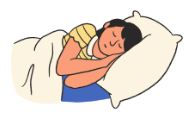
How can you improve your sleep and reduce your risk of coronary artery disease?
Here are a few tips:
Establish a consistent sleep schedule. Try to go to bed and wake up at the same time every day, even on the weekends.
Create a comfortable sleep environment. Make sure your bedroom is cool, dark, and quiet, and invest in a comfortable mattress and pillows.
I love this Beckham Hotel Collection Bed Pillow on Amazon. After sleeping on these, I don't know if I could use anything else!
Check out this ZINUS Shalini Upholstered Platform Bed Frame with USB Ports on Amazon. Get a full nights rest on this highly rated mattress/bed combo.
These NICETOWN 100% Blackout Window Curtain Panels, Heat and Full Light Blocking Drapes on Amazon are great for keeping the light out of your sleeping area.
Avoid screens before bed. The blue light emitted by screens can disrupt your body's natural sleep rhythms, so try to avoid screens for at least an hour before bed.
Relax before bed. Take some time to unwind before you go to sleep. You could try reading a book, taking a warm bath, or practicing relaxation techniques like deep breathing or meditation.
Exercise regularly. Regular physical activity can help you sleep better, but try to avoid vigorous exercise close to bedtime.
Limit caffeine and alcohol. Both of these substances can disrupt your sleep, so try to avoid them, especially in the hours before bed.
Journal your thoughts for the day before bed. Writing down your thoughts and feelings can help you process and release any stress or anxiety that you might be carrying, which can improve your sleep. I love the “Beautiful People” Heart Health Journal from Amazon.
Consider sleep aids. If you are still having trouble sleeping, you might consider talking to your doctor about sleep aids. There are several medications and natural remedies that can help you get a better night's sleep. Natrol Melatonin Fast Dissolve Tablets have really come in clutch for the Youngs family when we have those restless nights.
My Personal Story
Around 15 years ago, I started experiencing loud snoring at night, which my wife Stephanie found particularly annoying and disruptive to her sleep. Concerned, I visited my primary care physician, Dr. Sturm, who recommended that I undergo a sleep study. The results revealed that my snoring was caused by my soft palate collapsing and blocking my airway every time I entered a certain stage of the sleep cycle, preventing me from reaching the REM stage. To address this issue, Dr. Sturm prescribed a continuous positive airway pressure (CPAP) machine, which applies pressure to the soft palate to keep the airway open and allows for a more complete sleep cycle.
Since starting CPAP treatment, I have noticed significant improvements in my sleep quality and overall health. I feel more rested in the morning and less tired throughout the day, and I fall asleep faster at night. Overall, the CPAP has been a highly effective and beneficial choice for addressing my snoring and improving my sleep health.

Make your slumber a priority.
Hopefully, by following these tips and making sleep a priority, you can improve your sleep and reduce your risk of coronary artery disease. Getting enough sleep is an important part of maintaining a healthy heart and overall health.
Author: Jason Youngs, TikTok Influencer
Email: MrJasonYoungs@gmail.com


Comments